Technology
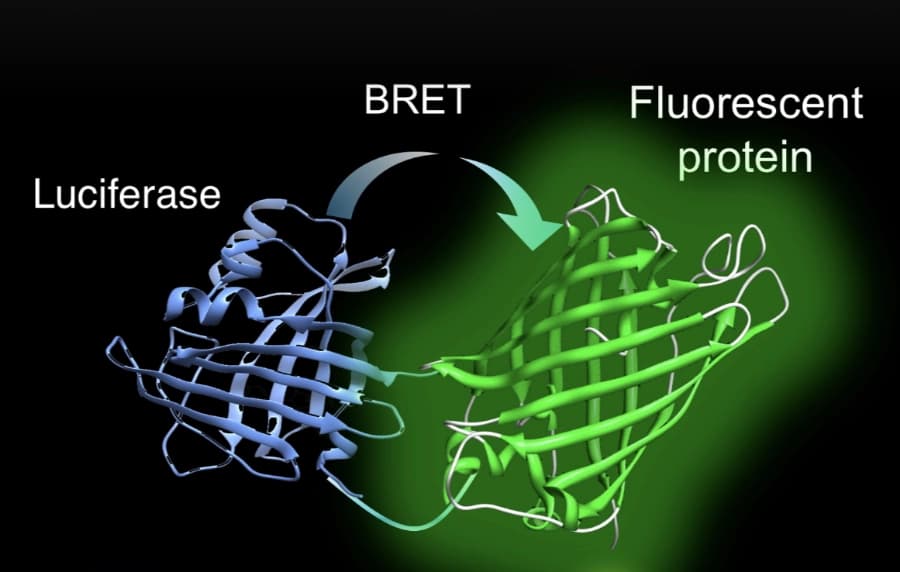
Bioluminescent Genetic Technology Based on Fluorescent and Bioluminescent Proteins
LEP's core technology is a bioluminescent genetic system utilizing fluorescent proteins and bioluminescent proteins. This technology has evolved as bioimaging technology for visualizing molecular and cellular activities in living organisms, widely used in life science, medical, and drug discovery research.
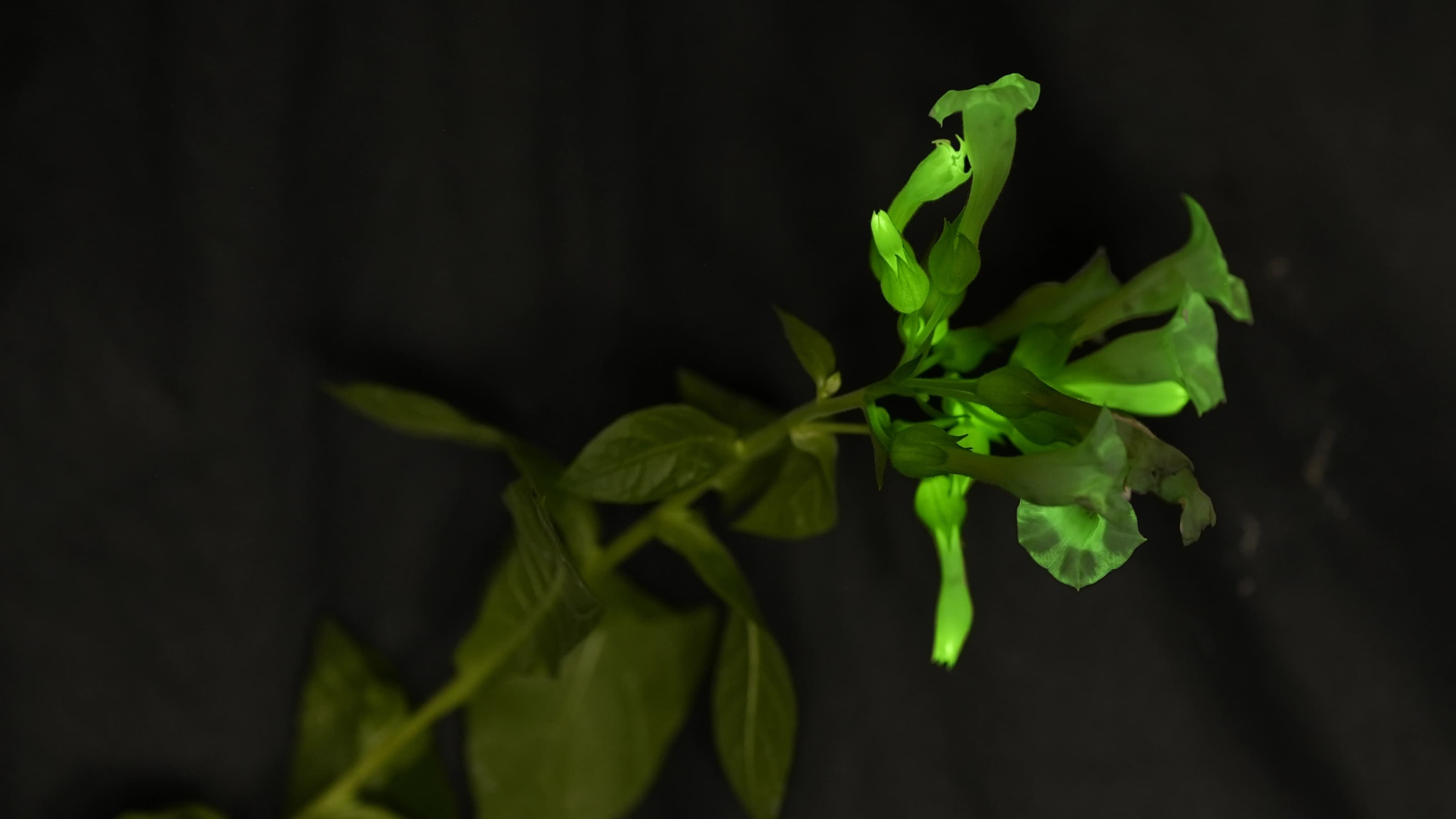
At LEP, we leverage this technology to introduce luminescent genes into plants, developing self-luminous plants.
Feature
Fluorescent and bioluminescent proteins are widely used as bioimaging technology. However, conventional technologies faced the following challenges.
Fluorescence Imaging
- Requires strong excitation light for observation
- Causes phototoxicity (cell damage from light)
- Long-term observation is difficult
Bioluminescence Imaging
- Weak luminescent signal
- Real-time observation is difficult
This created the need for a luminescence system that requires no light irradiation and enables high-brightness observation.
Nano-lantern
Proprietary luminescent protein technology without parallel
High-Brightness Luminescent Protein: Nano-lantern
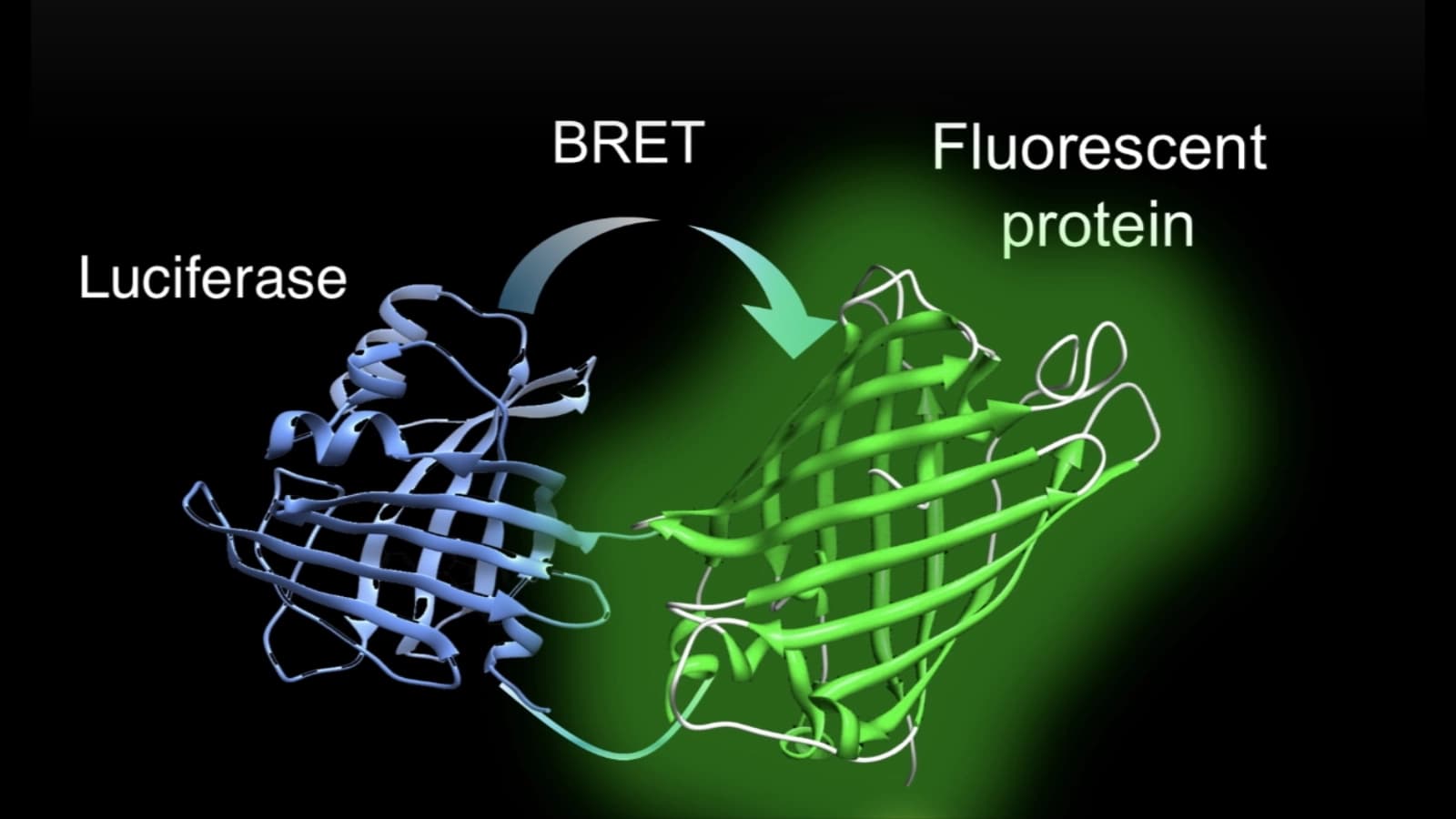
Professor Kenji Nagai's research group developed Nano-lantern, a high-brightness luminescent protein that fuses bioluminescent proteins with fluorescent proteins.
Autonomous Luminescence
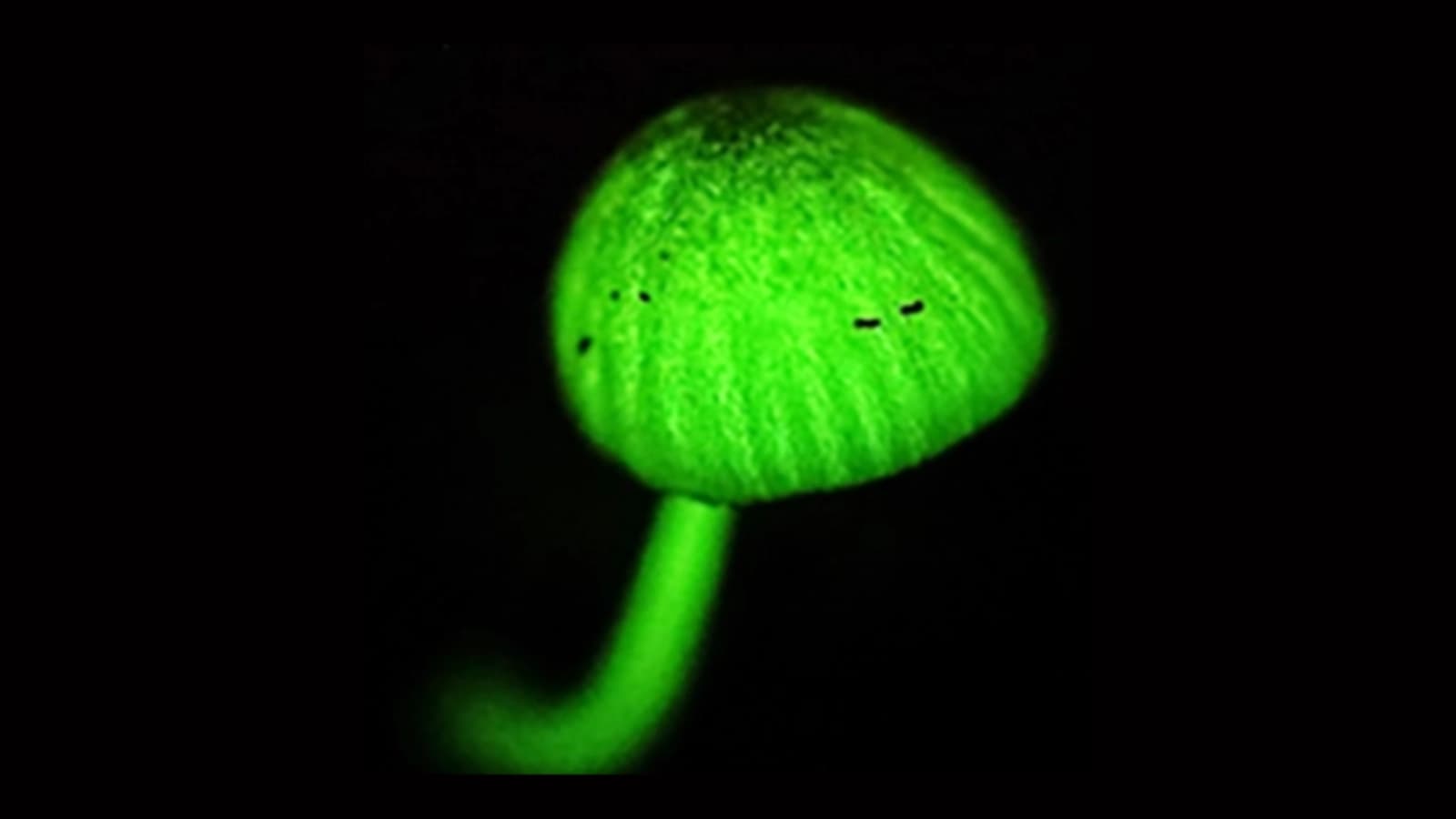
Self-Luminescence TechnologyNo substrate addition required
Redesigning bioluminescent mushroom systems within plants. Building autonomous circuits that glow continuously without external substrate addition.
High Brightness
High-Luminosity TechnologyOutstanding brightness enhancement
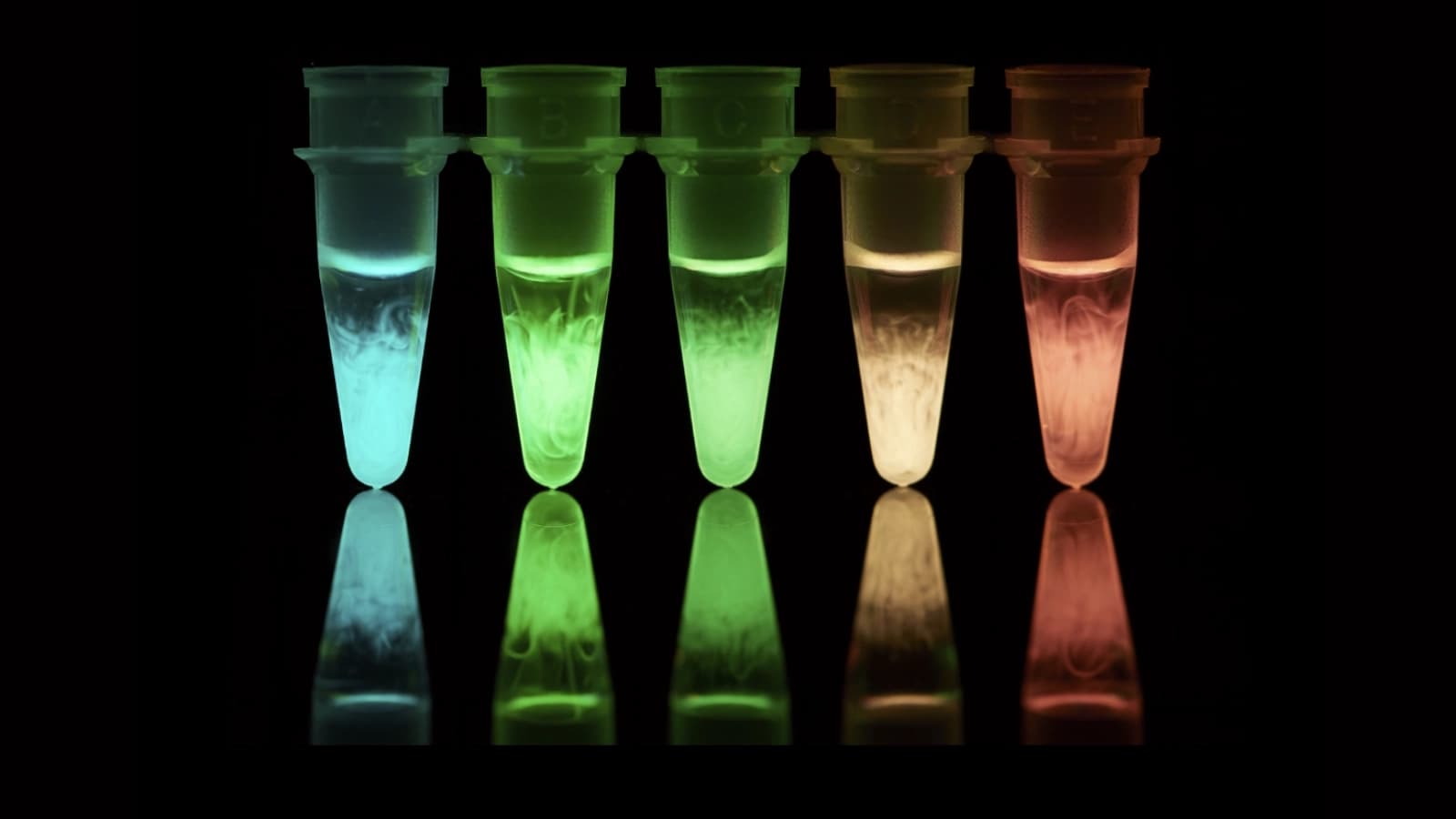
Our proprietary Nano-lantern technology fuses luminescent enzymes with fluorescent proteins, optimizing energy transfer to achieve 20x brightness over conventional methods.
Multi-Color
Multi-Color TechnologyCutting-edge color diversification
By precisely controlling light wavelengths, we achieved approximately 20 color variations in luminescent proteins, opening infinite possibilities for illumination and landscape design.
Applications
Nano-lantern technology enables broad applications spanning from life science research to environmental and urban infrastructure, built on bioimaging and gene expression technologies.
Luminescent Biosensors
Nano-lantern is applied as a luminescent biosensor that detects physiological activities such as calcium ions, ATP, and membrane potential with high sensitivity.
Whole-Organism Bioimaging
High-brightness luminescence enables real-time observation at the whole-organism level, previously difficult to achieve. Enables multi-color simultaneous observation and video-rate cellular activity monitoring.
Plant Luminescence Technology
Introducing Nano-lantern genes into plants to develop self-luminous plants. We have also succeeded in creating liverworts that emit three colors of light.
Social Implementation
Luminous plant technology is being explored for the following applications.

Lighting Infrastructure
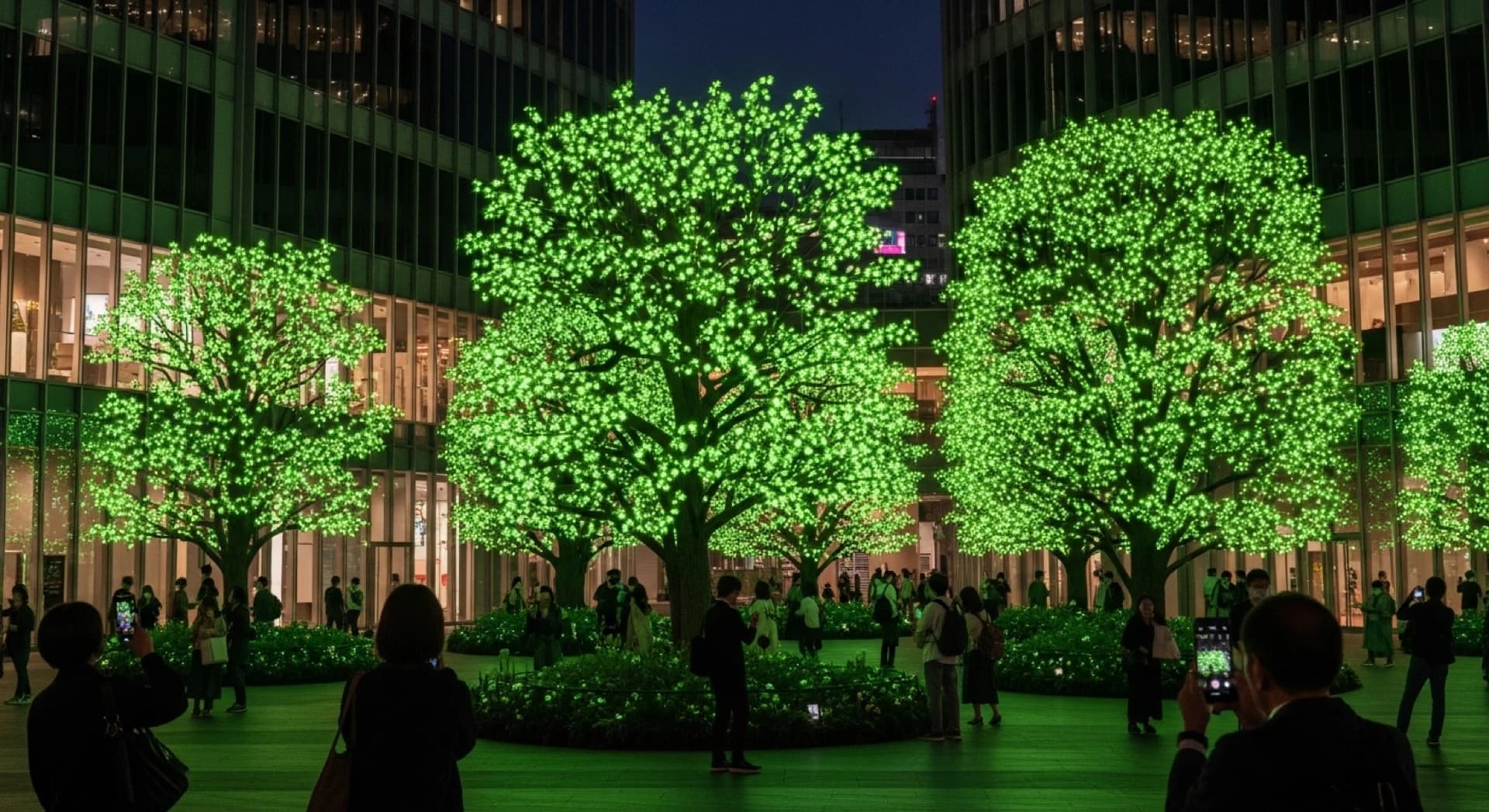
Self-luminous street trees, park lighting, landscape illumination—toward lighting technology that requires no electricity.
Environmental Sensing
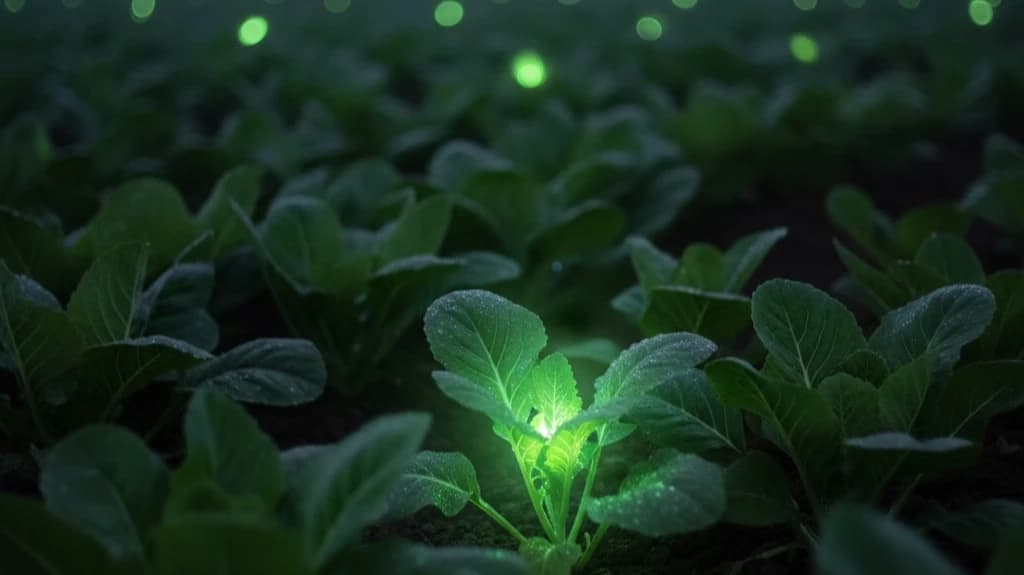
Plant-based biosensors that luminesce in response to environmental changes. For detecting pollutants and monitoring ecosystems.
Smart City
Contributing to environmentally symbiotic urban systems that integrate natural environments with urban infrastructure.
Would you like to explore the future possibilities
with our proprietary luminescent protein technology?